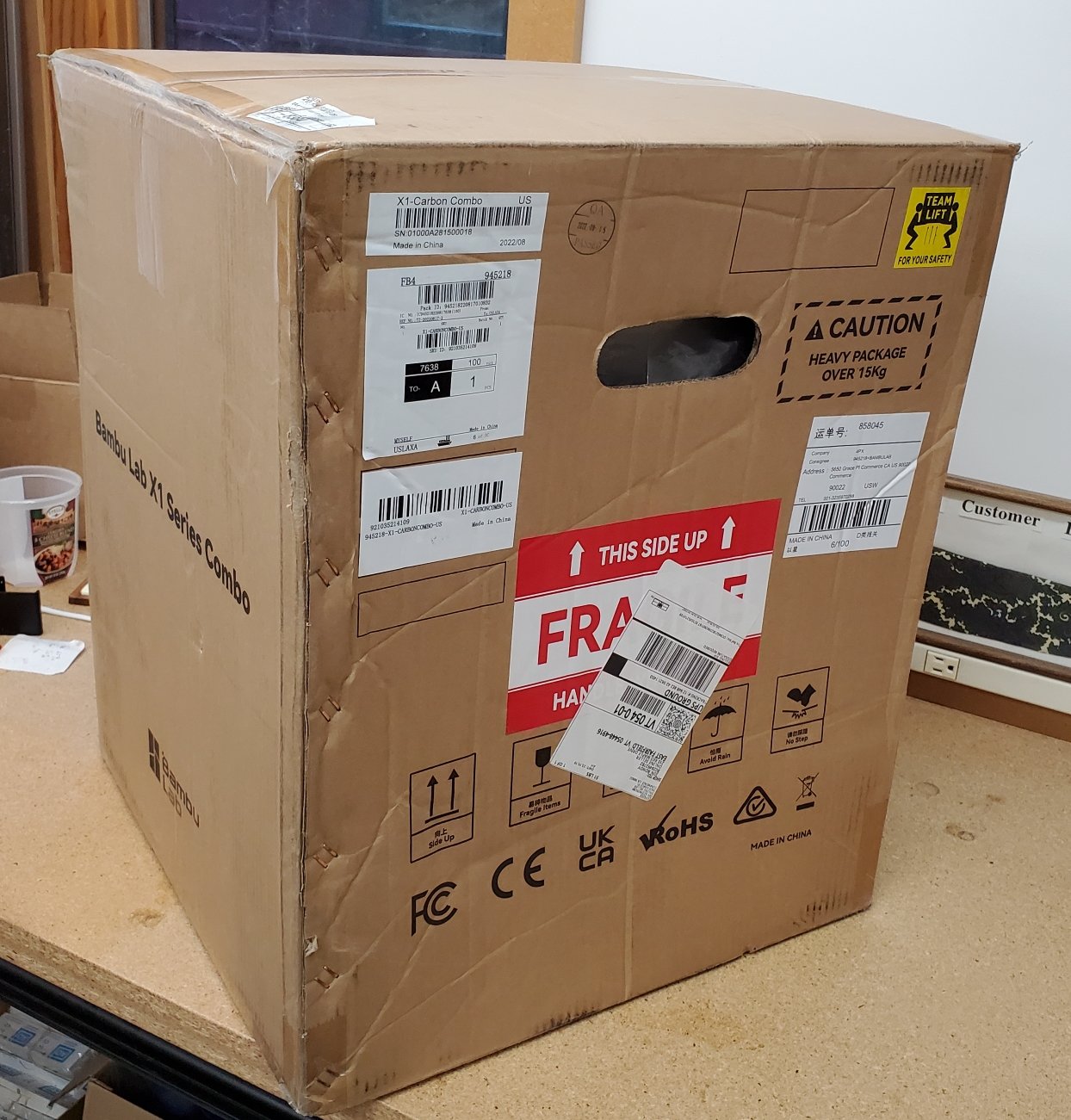
Unbox and remove all packing material
Remove the printer from the box and take off every piece of tape, foam and the cardboard inserts — including inside the cartridge/toner area. Leftover packing is the most common cause of jams and carriage errors on a brand-new printer.
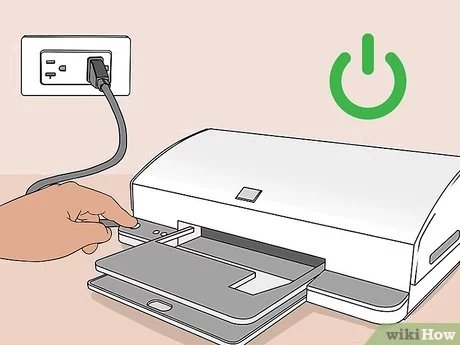
Connect power and turn it on
Plug the power cord into the printer and a wall outlet, then press the power button. Wait for it to finish starting up. Leave any USB cable unplugged for now — only connect it if the installer asks.
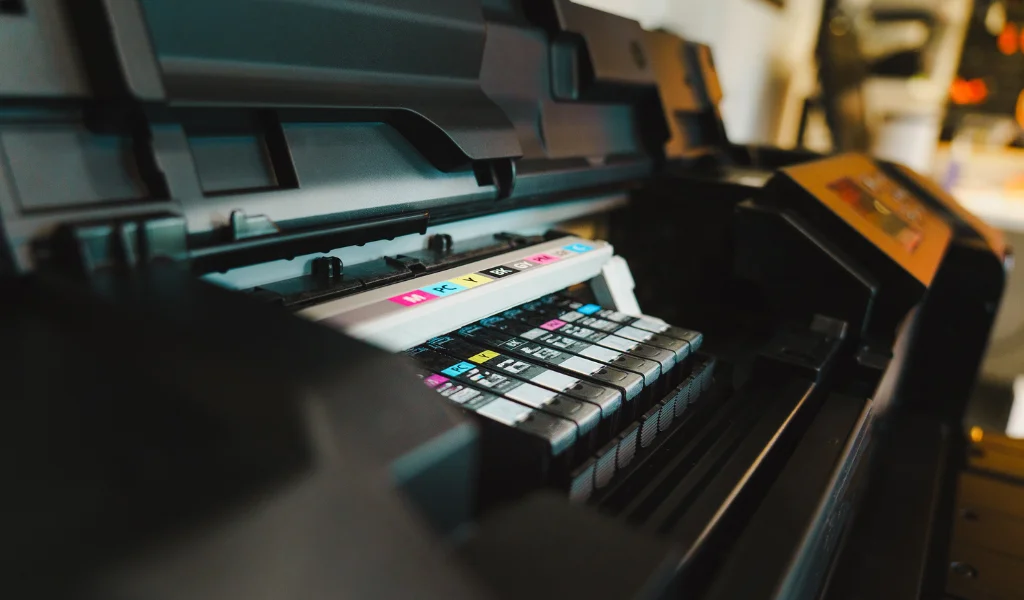
Install ink or toner
Open the cartridge/toner door and install the supplies that came with the printer. For ink cartridges, peel the protective tape first; for laser toner, remove the orange seal and gently rock it. For ink-tank models, fill each tank to its line.
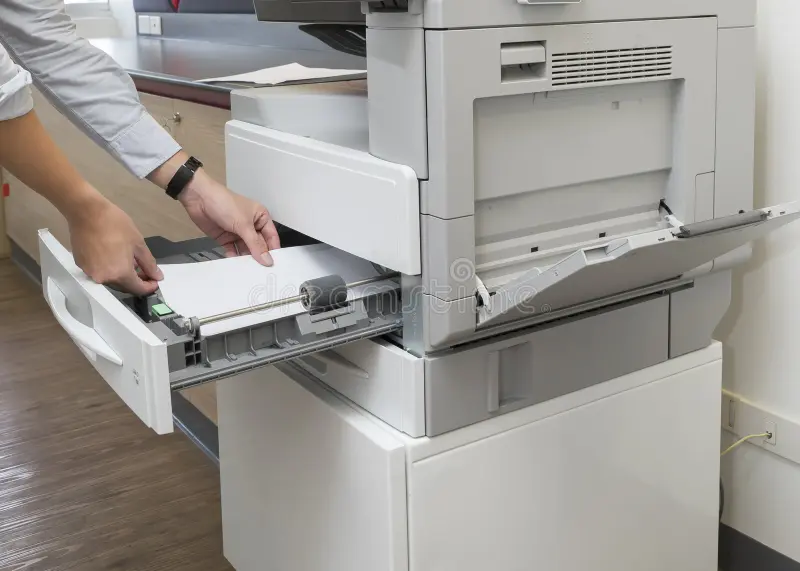
Load paper into the tray
Fan a stack of paper, place it in the input tray, and slide the guides snug against the edges so it feeds straight. Don't overfill past the maximum line.
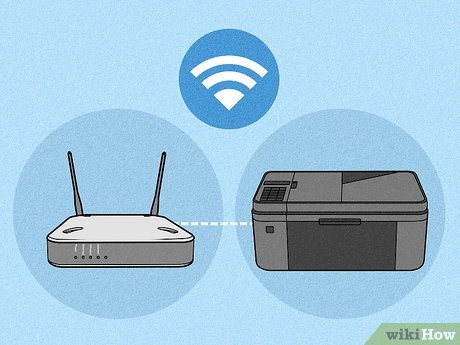
Connect to Wi-Fi or your computer
For wireless, use the printer's Wi-Fi Setup Wizard or the brand app and join your 2.4GHz network (most home printers don't use 5GHz). For wired, connect Ethernet or USB. Keep the printer near the router while pairing.
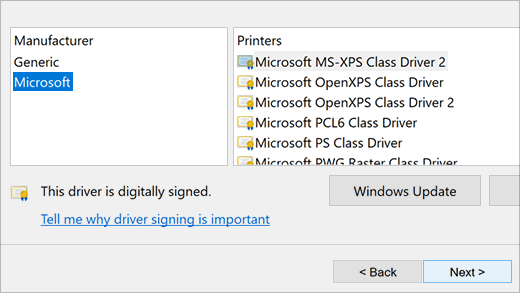
Install drivers and software
On a computer, install the full driver/software package (not just the basic driver) from the manufacturer for your exact model and OS. On a phone, install the brand app to finish setup.
Run alignment / ink charging
Inkjet and ink-tank printers prime the printhead on first use and print an alignment page — let this finish and don't power off during ink charging.
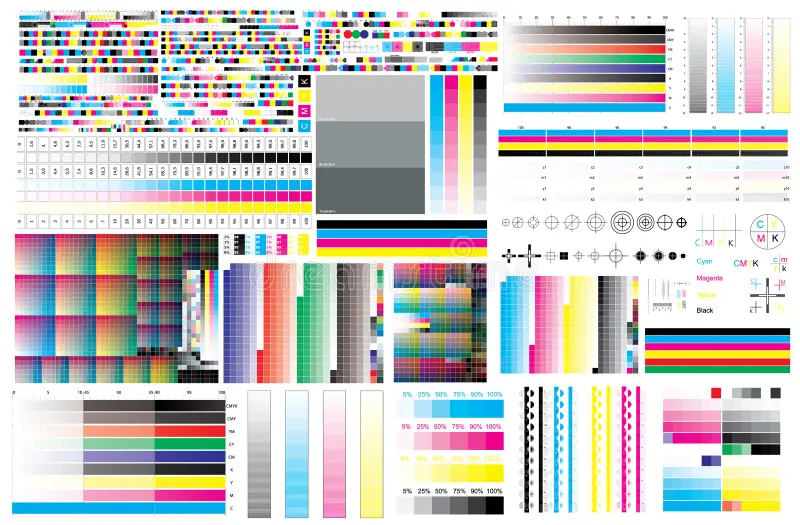
Print a test page and set defaults
Print a test page to confirm everything works, then set your preferences — paper size, quality, and two-sided (duplex) printing to save paper.