Cheapest Printer Ink 2026: Real Cost Per Page Compared
Ink cost per page ranges from 0.2 cents to over 30 cents depending on what you bought. Here are the real numbers, in dollars and pounds, and how to calculate your own.
On this page
Printer ink is famously expensive per milliliter, but that framing is misleading. What matters is cost per page, and in 2026 that ranges from about 0.2 cents to over 30 cents depending entirely on which supply system your printer uses. A family printing 100 pages a month can spend $6 a year or $250 a year on exactly the same output.
This guide gives real figures for the mainstream systems in US dollars and pounds sterling, shows you how to calculate your own, and explains where the manufacturers' numbers stop being honest.
How cost per page is calculated
The formula is simple: divide the price of the cartridge or bottle by its page yield.
cost per page = supply price / ISO page yield
The complication is the yield figure. Manufacturers quote ISO/IEC 24711 for inkjets and ISO/IEC 19752 for mono toner, both measured on a standard test page at roughly 5 percent coverage of the page area. Five percent is a short business letter. A full page of dense text is closer to 10 to 15 percent, a page with a chart maybe 20 percent, and a full-bleed photograph 200 to 400 percent equivalent.
So the tables below are directly comparable between printers, which is what you want when choosing, but your actual cost will be one and a half to three times higher for typical documents and far higher for photos.
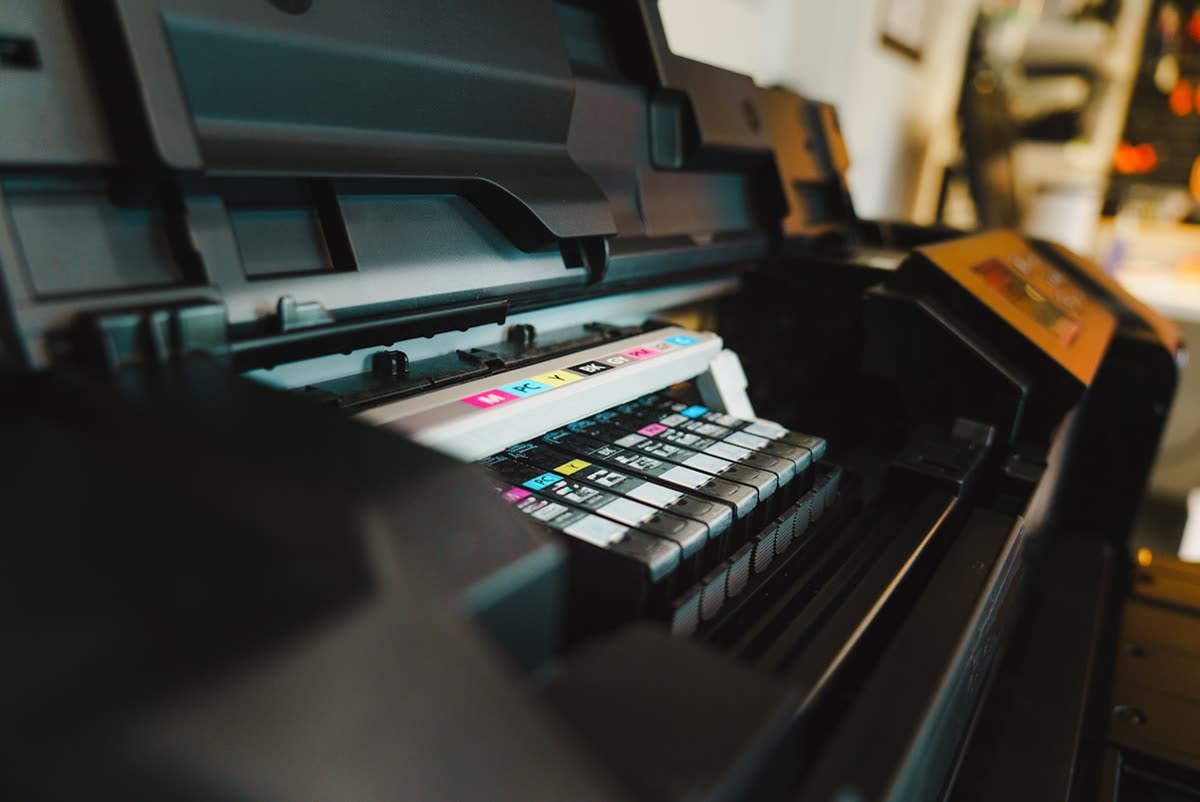
Ink and toner cost per page, 2026

| System | Supply price (USD) | Supply price (GBP) | Yield (pages) | Black per page | Color per page |
|---|---|---|---|---|---|
| Epson EcoTank bottles (T522/T552/T664) | 13-17 per bottle | 11-15 | 4,500-7,500 black | 0.2-0.4c / 0.2-0.3p | 0.8-1.5c / 0.7-1.3p |
| Canon MegaTank bottles (GI-21/GI-26) | 13-20 per bottle | 12-17 | 6,000 black | 0.2-0.3c / 0.2-0.3p | 0.8-1.5c / 0.7-1.3p |
| HP Smart Tank bottles (GT53/GT52) | 15-22 per bottle | 13-18 | 4,000-6,000 black | 0.3-0.5c / 0.3-0.4p | 1-2c / 0.9-1.7p |
| Epson EcoTank India (65 ml, 003-class) | equiv. 4-7 | equiv. 3-6 | 4,500-7,500 | under 0.2c | under 0.8c |
| Pantum PA-210 toner | 20-35 | 18-30 | 1,600 | 1.5-2.2c / 1.3-1.9p | n/a |
| Brother TN830XL toner | 70-90 | 60-80 | 3,000 | 2.3-3c / 2-2.7p | n/a |
| Brother TN830XL compatible | 25-40 | 20-35 | 3,000 | 0.8-1.3c / 0.7-1.2p | n/a |
| Canon Cartridge 071H toner | 85-110 | 75-95 | 2,500 | 3.4-4.4c / 3-3.8p | n/a |
| HP 134X toner | 90-110 | 80-95 | 2,000 | 4.5-5.5c / 4-4.8p | n/a |
| Brother INKvestment LC406XL/LC506XL | 25-40 per cartridge | 22-35 | 3,000-6,000 | 0.7-1.2c / 0.6-1p | 3-5c / 2.6-4.3p |
| Color laser high-yield (Brother TN229XL class) | 90-130 per color | 80-115 | 2,300-4,000 | 2.5-3.5c | 12-16c / 10-14p |
| HP 910XL / 936e business inkjet | 35-50 | 30-45 | 825-1,500 | 1.5-2.5c / 1.3-2.2p | 7-9c / 6-8p |
| Standard cartridge inkjet XL (HP 67XL, Canon 245XL, Epson 232XL class) | 30-45 | 26-40 | 240-600 | 6-12c / 5-10p | 18-30c / 16-26p |
| Standard cartridge inkjet, non-XL | 20-30 | 18-27 | 120-250 | 10-20c / 9-17p | 25-40c / 22-35p |
The spread is roughly a hundred to one between the cheapest and most expensive systems. That is not a rounding difference; it is the difference between printing freely and rationing pages.
What it costs you over three years
Take a household printing 60 pages a month, 40 black and 20 color. Over three years that is 1,440 black and 720 color pages.
| Setup | Printer price | 3-year ink cost | 3-year total |
|---|---|---|---|
| Epson EcoTank ET-2900 | USD 240 | about USD 14 | USD 254 |
| Brother HL-L2460DW (black only, 2,160 pages) | USD 145 | about USD 60 | USD 205 |
| HP OfficeJet Pro 9135e | USD 300 | about USD 90 | USD 390 |
| Budget cartridge AIO with XL cartridges | USD 90 | about USD 275 | USD 365 |
| Budget cartridge AIO with standard cartridges | USD 90 | about USD 460 | USD 550 |
The $90 printer is the most expensive option on the table, and it gets worse every year you keep it. This is the core reason our home printer guide steers people away from the cheapest shelf price.
Subscription ink: HP Instant Ink and the alternatives
HP Instant Ink charges a monthly fee for a page allowance rather than for cartridges, and ships replacements automatically. Plans typically run from a few dollars a month for 20 to 50 pages up to around $25 a month for 700 pages (roughly GBP 20 in the UK); plans and prices change, so check current pricing. Brother offers Refresh, Canon has Auto-Replenishment, and Epson runs ReadyPrint in several markets.
Where it wins. If you print color at a steady, predictable volume, the effective cost per page can drop to two or three cents including color, which no cartridge system comes close to. Photos count as one page regardless of coverage, so heavy color users benefit most.
Where it loses. Unused pages beyond a small rollover allowance are lost. Overage charges apply above the plan. Canceling stops the cartridges working once the paid pages are consumed, because they are metered. And on HP+ printers, enrollment permanently restricts the machine to genuine HP supplies for its life.
Is a subscription cheaper than buying ink?
Work it out from the pages you actually print, not the plan's allowance. Divide the monthly fee by your real monthly page count and compare the result with the cost-per-page table above. As an example, a hypothetical $8 plan used for all 100 of its pages costs 8 cents a page; used for 30 pages a month, the same plan costs nearly 27 cents a page, which is no better than buying XL cartridges.
The rule that falls out of the numbers: a subscription can beat a cartridge printer for steady color printing, but no plan beats a tank printer's sub-cent black pages or its color pages at a cent or two. Our printer ink subscriptions compared guide sets HP Instant Ink, Epson ReadyPrint, Canon and Brother Refresh side by side.
Third-party and remanufactured supplies
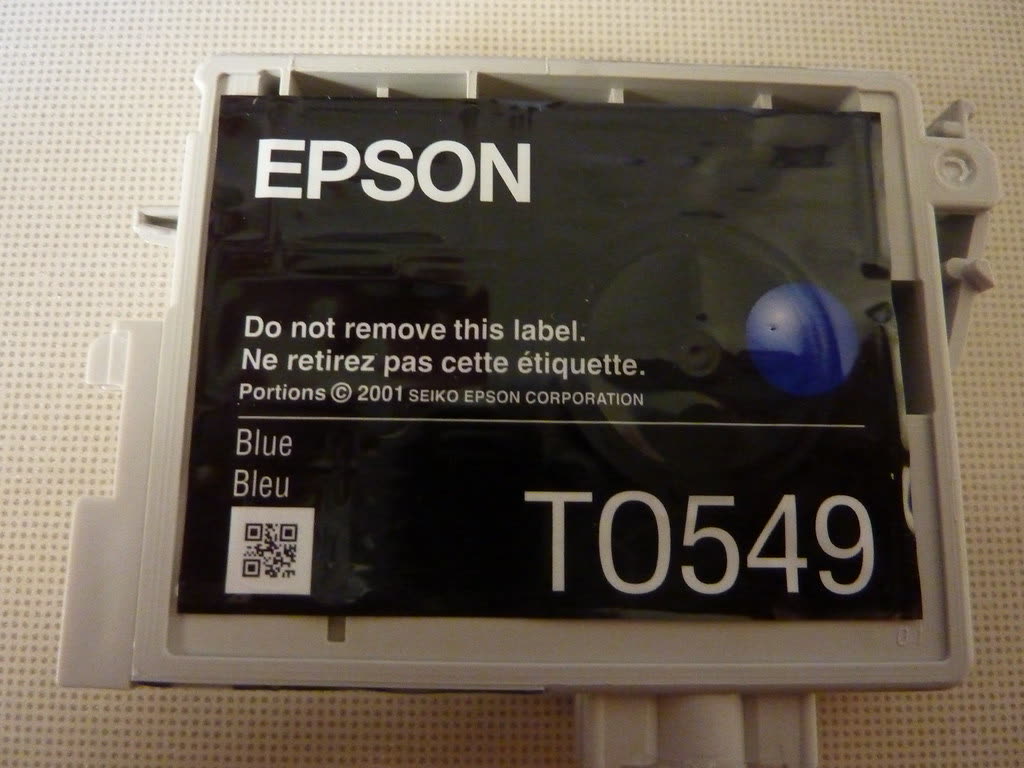
Compatible cartridges and toner typically cost 40 to 70 percent less than genuine. Whether that is a good idea depends heavily on the technology.
- Mono laser toner: generally safe and the biggest saving available. A compatible Brother TN830XL at $30 drops your cost per page from about 2.7 cents to under a penny. Buy from a reputable remanufacturer, not the cheapest listing.
- Color laser toner: usually fine, though color accuracy varies. Check that the cartridge chip is supported for your firmware version.
- Cartridge inkjet: mixed. Works well on Brother and most Epson models; HP and Canon have both used firmware to reject non-genuine chips at various points. HP's Dynamic Security has been reintroduced repeatedly through firmware updates.
- Tank printer bottle ink: the riskiest. Off-spec ink is the leading cause of permanently clogged printheads, and on most consumer tank printers the head is not user-replaceable. Genuine bottles are cheap enough that the saving rarely justifies it.
Calculating your own cost per page

- Find your cartridge or bottle part number. It is printed on the supply itself and on the printer's supply status page.
- Look up the ISO page yield on the manufacturer's product page. Do not use the retailer's listing, which frequently quotes the wrong figure.
- Check the current price you actually pay, including delivery and any multipack discount.
- Divide price by yield for black. For color, add the per-page cost of each color cartridge, or use the manufacturer's combined color yield.
- Multiply by your real monthly volume, which you can read from the printer's page counter, usually on the configuration or status report.
Print a configuration page from the printer's menu to find your lifetime page count. Divide by the number of months you have owned it and you have your real volume, which is almost always different from your estimate.
Ten ways to cut what you spend
- Always buy high-yield. XL cartridges typically cost 30 percent more for two to three times the pages.
- Set duplex as the default in the driver, not per job. Halves paper cost.
- Use draft or economy mode for anything you will read once. Saves 30 to 50 percent of ink or toner.
- Print two pages per sheet for reference material.
- Print in grayscale unless color carries meaning. On a color laser, that alone drops a page from 14 cents to 3.
- Shake a laser toner cartridge when it reports low. Usually another 100 to 300 pages.
- Ignore the first low-ink warning. Inkjets typically warn with 15 to 25 percent remaining.
- Do not turn an inkjet off at the wall. Powering down at the wall skips the head-capping routine and forces a cleaning cycle at next start, which wastes ink.
- Buy compatible toner for mono lasers from a reputable supplier.
- Question whether the page needs printing. The cheapest page is the one you read on screen. See reducing printing costs for the full list.
Which printer has the cheapest ink?

Refillable tank printers, without qualification. The Epson EcoTank range, Canon MegaTank and HP Smart Tank all print black pages for a fraction of a cent, and the 2026 EcoTank refresh, including the ET-1910 at $159.99, the ET-2900 at $239.99 and the ET-4903 at $299.99, brought the entry price down further. In India the L-series equivalents, including the L1350, L3350 and L5390 launched in June 2026 at INR 13,999 to INR 24,999, are cheaper still per page because bottle prices are lower.
If you print only black text, a mono laser with compatible toner is competitive and never clogs. If you print color photographs, a tank printer is not merely cheaper, it is the only option that makes home photo printing economically sensible at all.
Verdict
Buy the supply system, not the printer. A tank printer at $240 with sub-cent pages beats a $90 cartridge printer within eighteen months and keeps beating it forever. A mono laser at $145 with $30 compatible toner is the cheapest realistic way to print text. Everything else is a compromise you should make deliberately, knowing the number.
If your printer is showing cartridge errors, rejecting supplies you have already bought, or reporting empty when it is not, our error reference covers the common codes and a specialist can work through it with you on the support plan.
Software mentioned in this guide
- Brother Mobile Connect
Brother's current mobile app for setup, printing, scanning and supplies iOS · Android - Canon PRINT
Canon's single mobile app for printing, scanning and printer setup iOS · Android - Epson Smart Panel
Epson's current mobile app for setup, printing, scanning and ink levels iOS · Android - HP Smart (the HP app)
HP's official setup, printing, scanning and ink app for home and small-office printers Windows · macOS · iOS
Printers covered here
Frequently asked questions
Which printer has the cheapest ink in 2026?
Refillable ink tank printers. Epson EcoTank and Canon MegaTank bottles cost $13 to $20 and yield 4,500 to 7,500 black pages, giving a cost of 0.2 to 0.4 cents per page. That is roughly thirty times cheaper than a standard cartridge inkjet at 6 to 12 cents a black page.
How do I calculate my printer's cost per page?
Divide the cartridge price by its ISO page yield, which you will find on the manufacturer's product page for that exact part number. For color, add the per-page cost of each color cartridge or use the combined color yield. Then multiply by your real monthly volume, which you can read from a printed configuration page.
Why is my real ink cost higher than the quoted figures?
Because ISO yields are measured at roughly 5 percent page coverage, which is a short business letter. Dense text is nearer 10 to 15 percent and a full-page photograph is many times that. Expect your real cost to be one and a half to three times the quoted figure for typical documents.
Is HP Instant Ink worth it?
It can be, if you print color at a steady, predictable monthly volume, because photos count as one page regardless of coverage. It is poor value if your printing is sporadic, since unused pages are largely lost and overages are charged. Note that Instant Ink and the permanent HP+ restriction are separate things often bundled at purchase.
Is an ink subscription cheaper than an ink tank printer?
Rarely on cost per page. A tank printer prints black for well under a cent and color for about a cent or two, while subscription pages usually work out at a few cents or more each, even when you use the full allowance. A subscription makes more sense if you already own a cartridge printer and print steady color every month.
Are compatible cartridges safe to use?
For mono laser toner, generally yes, and the saving is large. For color laser and most Brother and Epson inkjets, usually fine. For HP and Canon cartridge inkjets, firmware has repeatedly rejected non-genuine chips. For ink tank bottles, avoid them: off-spec ink is the leading cause of permanently clogged printheads.
Is toner cheaper than ink?
Per page, toner sits between the two ink extremes: 2 to 3.5 cents on genuine mono toner, under a penny with compatibles, against 0.2 to 0.5 cents for tank ink and 6 to 12 cents for cartridge ink. Toner's real advantage is that it never dries out, so nothing is wasted on cleaning cycles.
Questions & comments (0)
No comments yet. Describe your printer model, operating system and the exact message you see; comments appear after review.
Ask about this page
Your comment appears after our team approves it. Or sign in to post faster.